Film
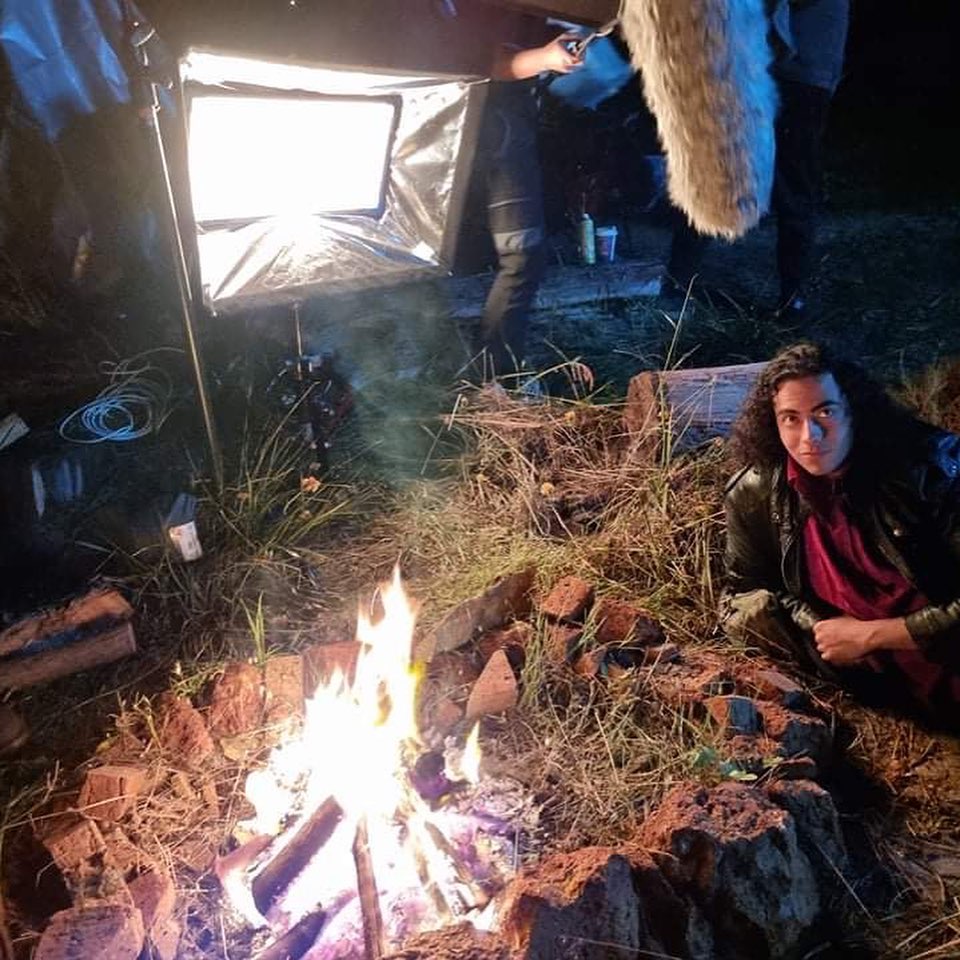
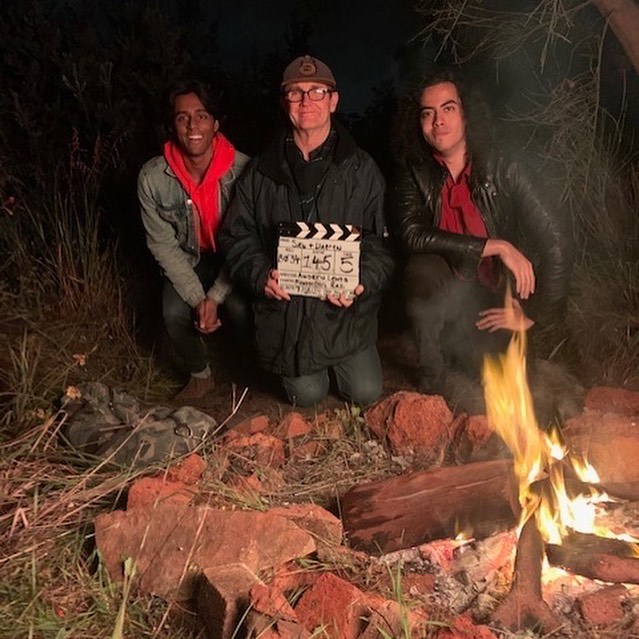
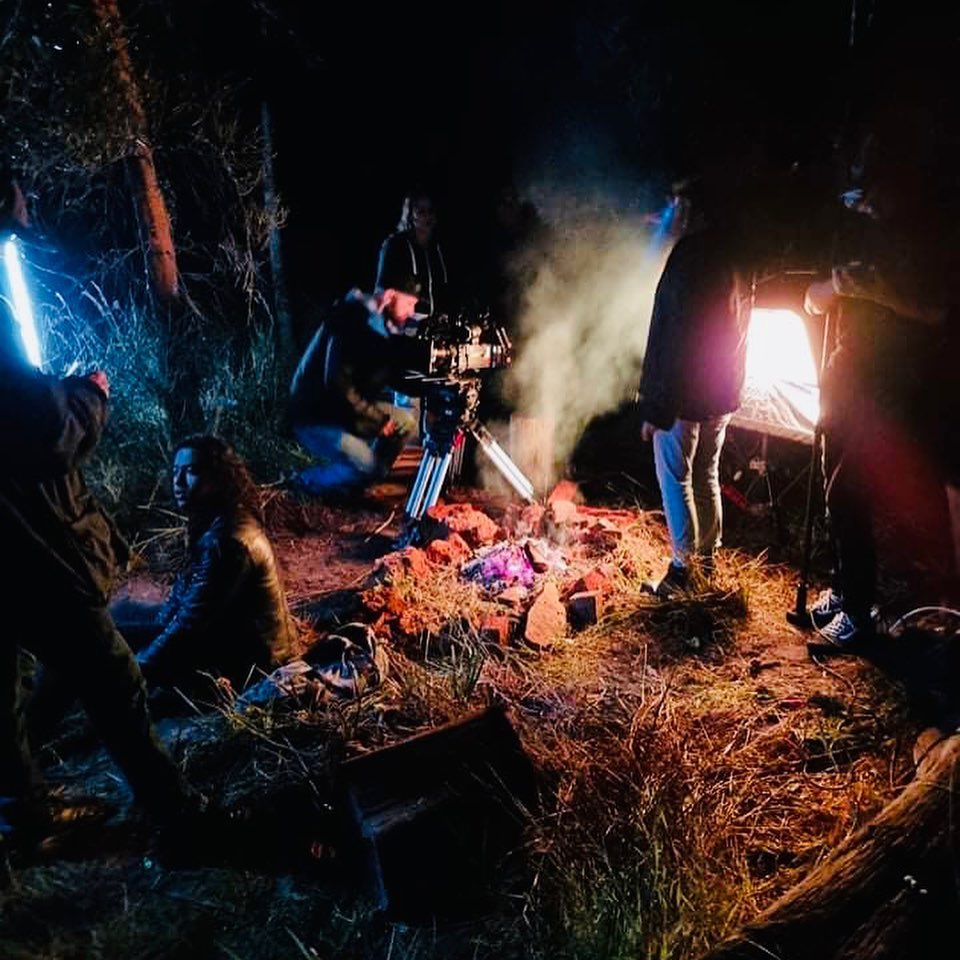
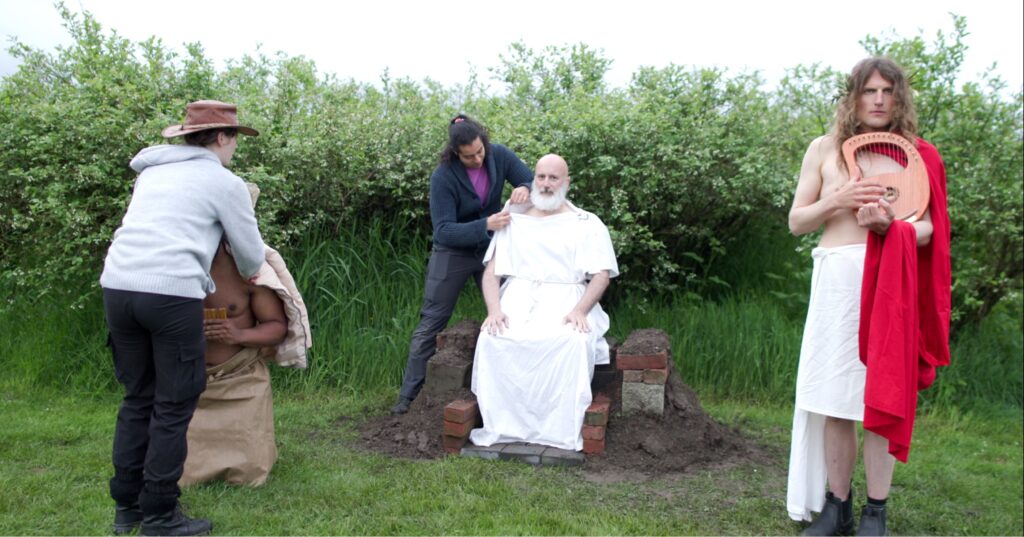
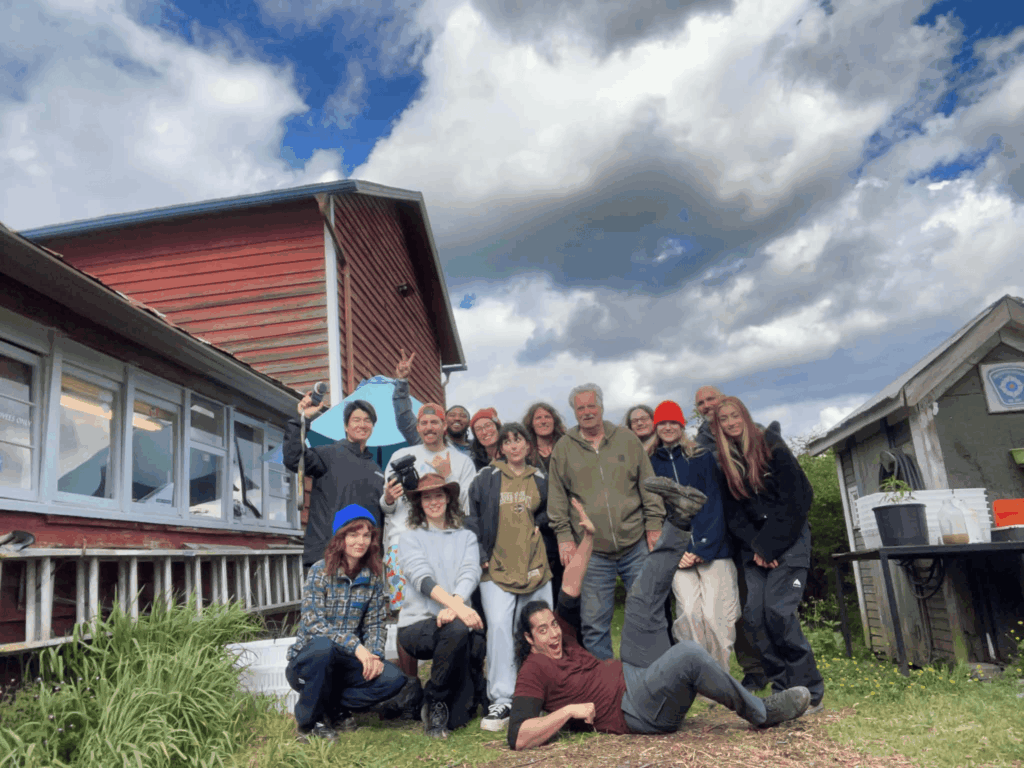
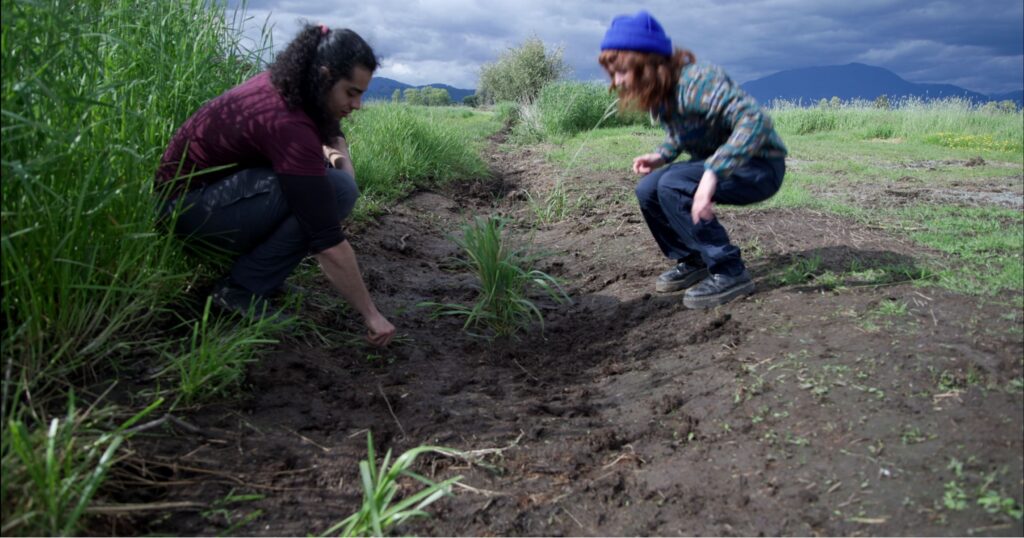
Sebastian Belmont approaches directing as a process of translation: translating an internal image into performance, blocking, rhythm, tone and ultimately the language of the frame. His multidisciplinary background gives him several ways into a scene, allowing him to communicate with actors through psychology, physical action, spatial relationships, tempo, subtext or visual composition depending on what unlocks the performance.
Rather than imposing a single method, Sebastian adapts his direction to the individual performer. Some actors respond to playable objectives and circumstance, others to emotional imagery, movement, rhythm or a precise understanding of how a moment will function within the edit. His role is to find the language that allows each actor to work instinctively while keeping the performance aligned with the dramatic architecture of the scene.
That flexibility extends across departments. By understanding performance in relation to mise-en-scène, camera movement, production design, sound and editorial rhythm, Sebastian works to create a shared vocabulary between actor and crew, so that every element of the film is serving the same dramatic intention.
Theater
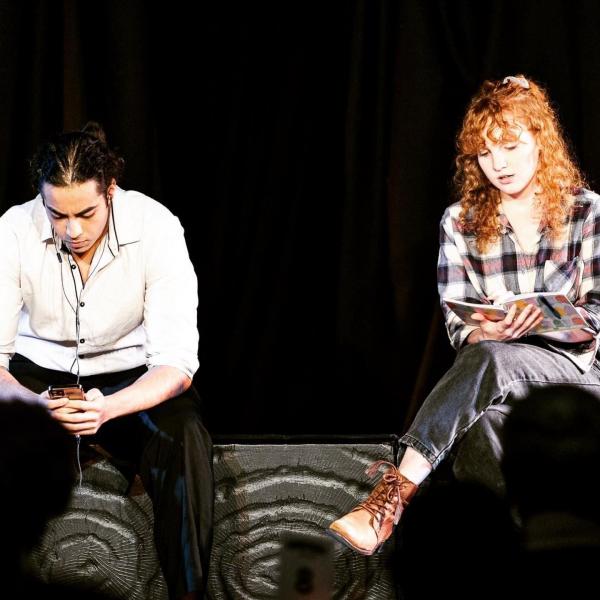
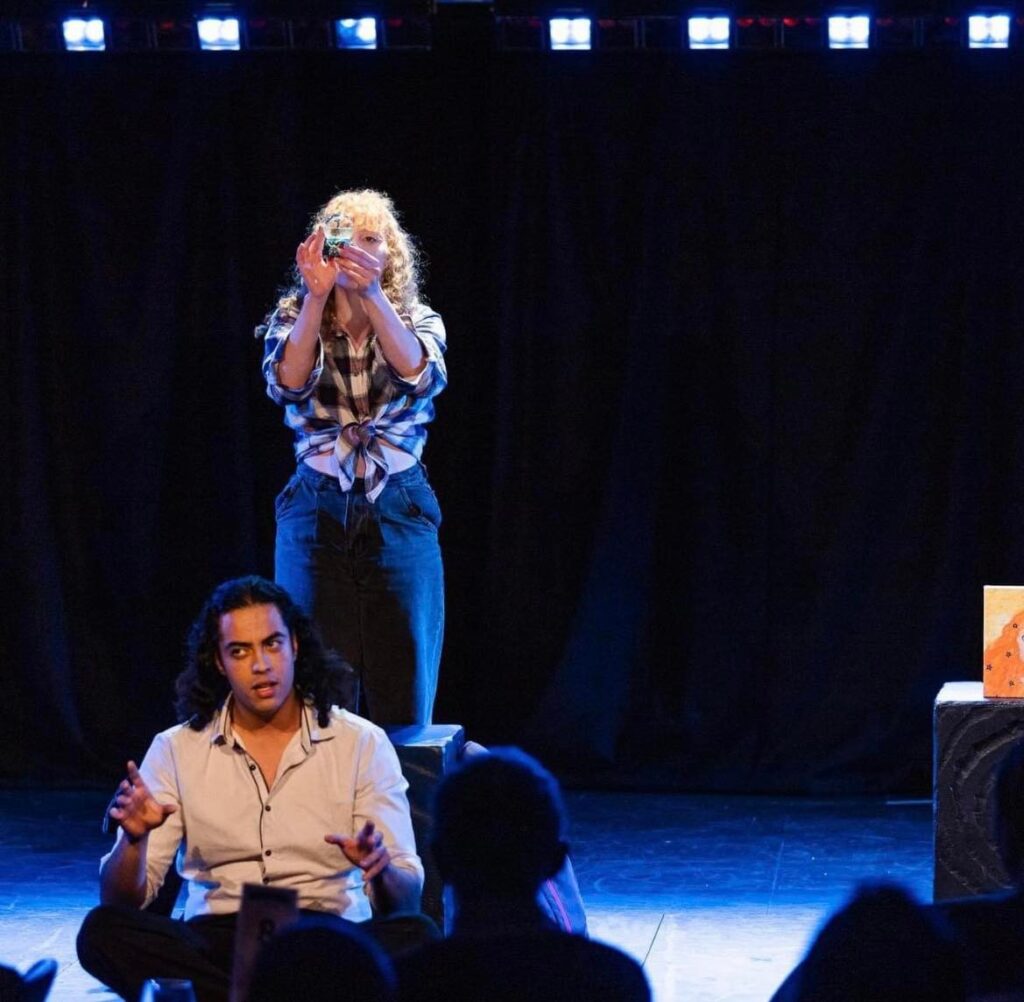
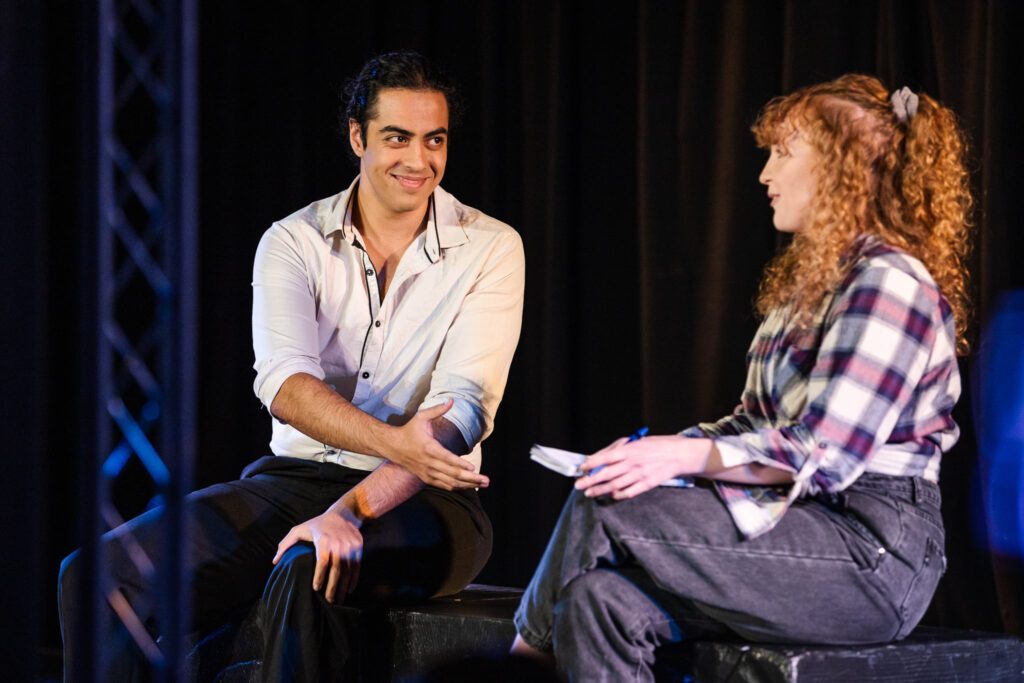
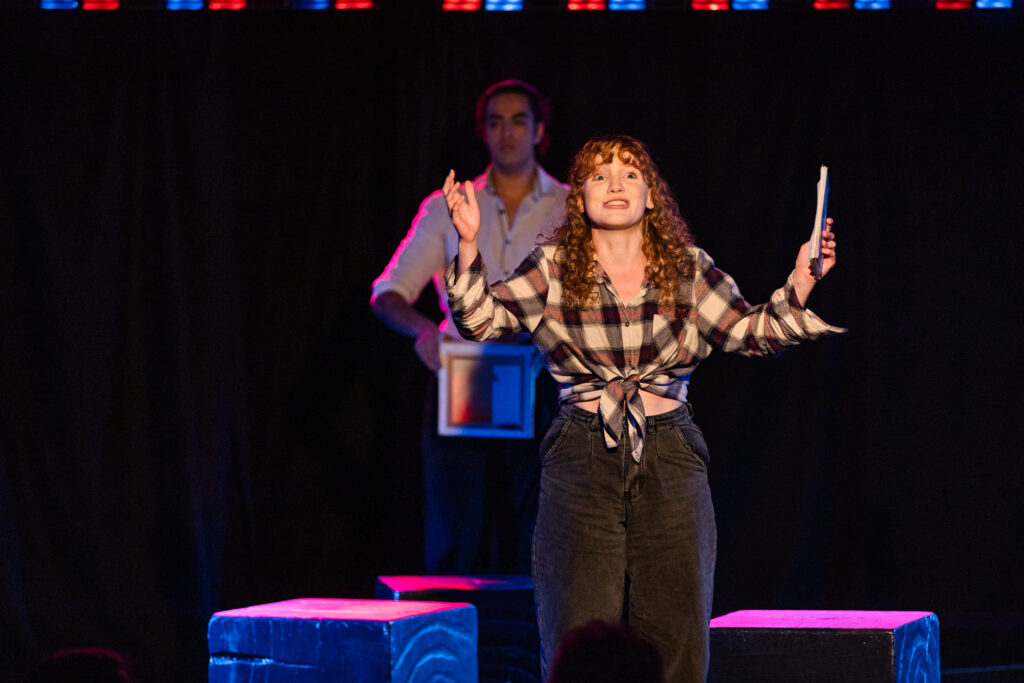
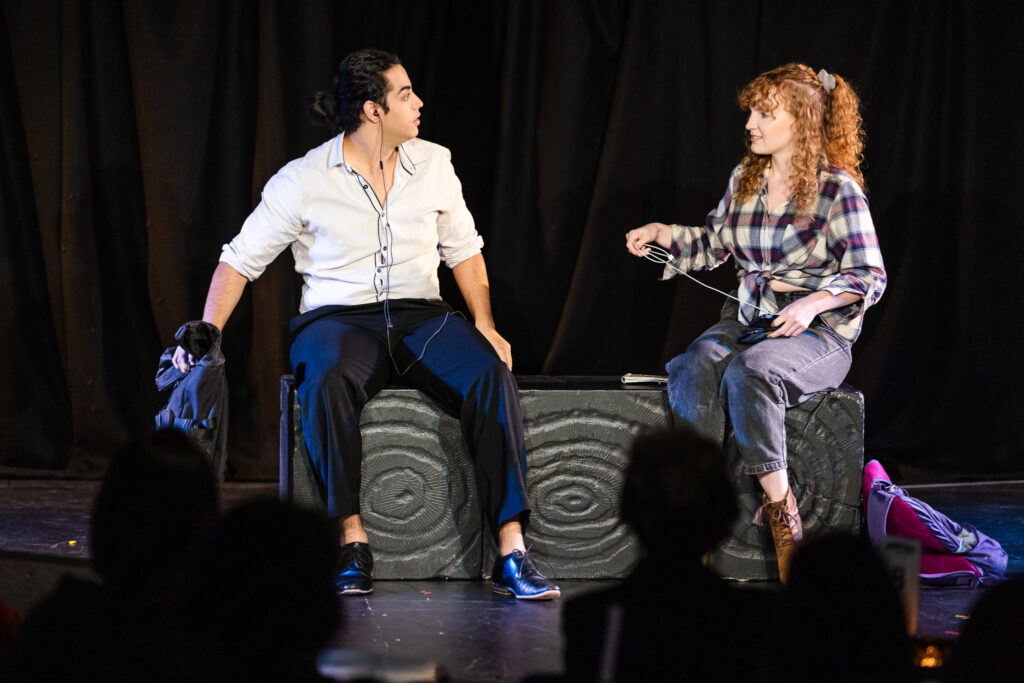
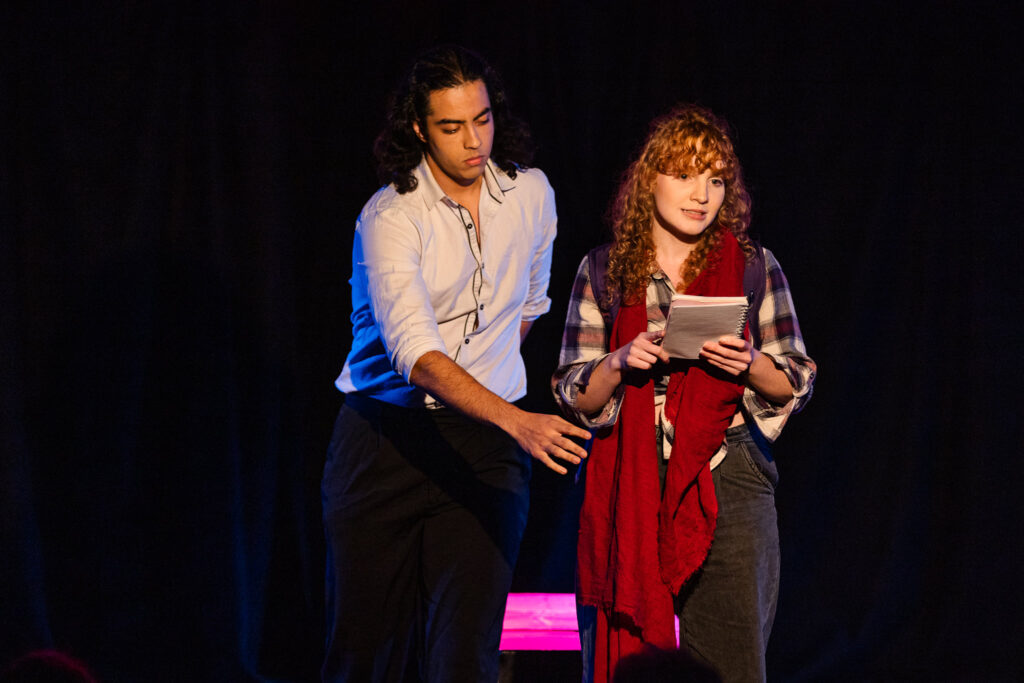
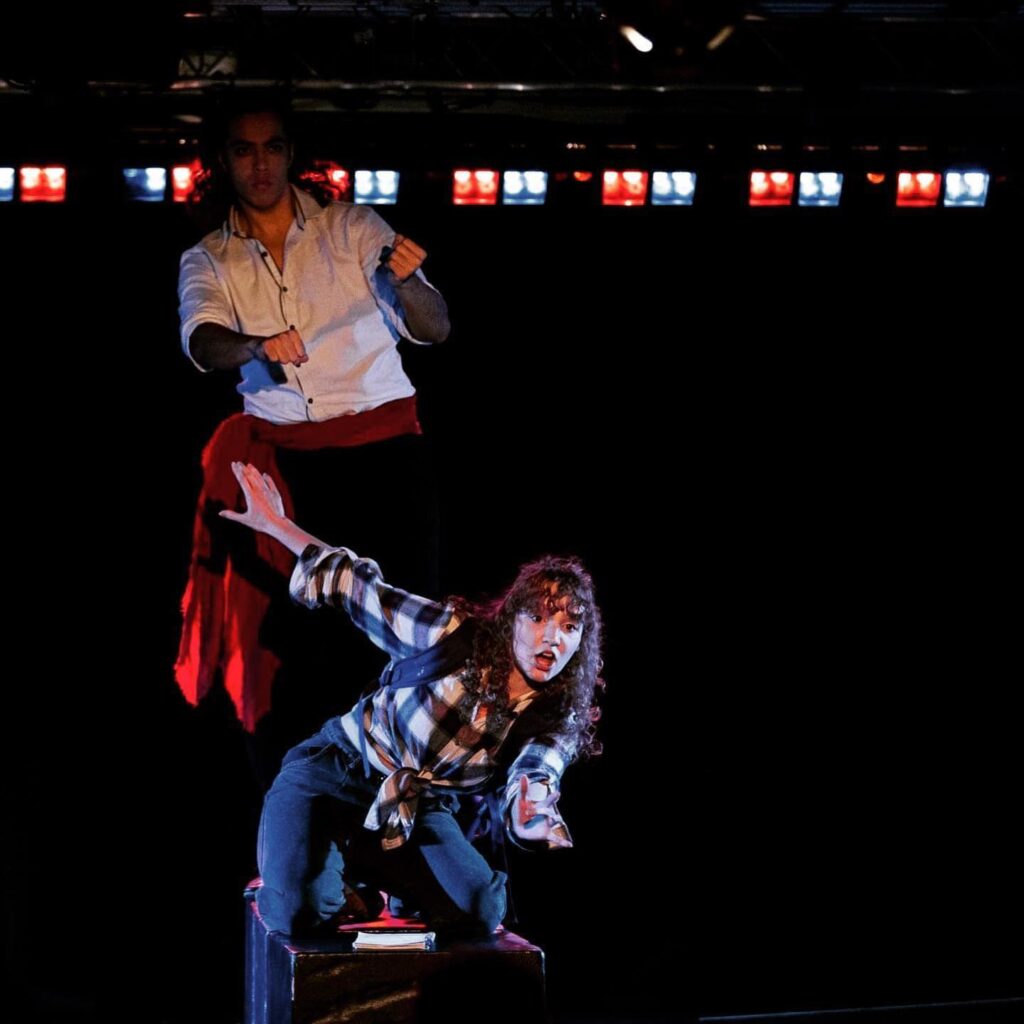
Sebastian Belmont’s theatre practice draws equally from classical training and contemporary performance-making. His approach begins with a rigorous understanding of text, structure, rhetoric and dramatic action, while remaining open to more exploratory rehearsal methods rooted in movement, improvisation, ensemble work and physical discovery.
When working with classical material, Sebastian is interested in how language carries thought, rhythm and action. He works closely with actors on verse, phrasing, intention, status and the architecture of a scene, while avoiding performances that feel preserved behind glass. The objective is not to reproduce a historical style, but to uncover the urgency and human behaviour already present in the text.
In contemporary work, the process can become more fluid and collaborative. Sebastian may begin with physical improvisation, spatial relationships, image, rhythm or ensemble composition before returning to the text. His multidisciplinary background allows him to change rehearsal language according to the performer, the form and the material.
Across both traditions, he is interested in the tension between discipline and discovery: giving actors a strong structural foundation while leaving enough space for instinct, spontaneity and the unpredictability of live performance.
Audiobook
Sebastian Belmont’s voice direction is grounded in formal vocal training, including Linklater technique and work with voice and dialect specialists Luzita Fereday and Jean Goodwin.
His approach is precise and performance-led, with a focus on breath, resonance, articulation, rhythm, phrasing and textual intention. Rather than directing toward a predetermined sound, he works with the performer to find the vocal choice that best serves character, language and dramatic action.
For audiobooks, Sebastian focuses on narrative point of view, character differentiation, pacing and long-form vocal continuity. For voice-over, he works with the intimacy of the microphone, where subtle shifts in breath, emphasis, silence and placement can completely change the meaning of a line.
The result is voice work that is technically grounded, emotionally specific and dramatically clear.